Characterization
To characterize a process is to describe its underlying nature. It is the task of determining if future process behavior can be predicted within limits. If it can, a process is characterized as predictable. If it cannot, a process is characterized as unpredictable. Whether a process is characterized as predictable or unpredictable depends on the answer to a single question: Is all the data within the associated process limits?
Figure 1. A process is characterized as predictable or unpredictable based on the data’s relationship with the process limits
When none of the values on a process behavior chart fall outside the process limits, the process is characterized as predictable. Implicit in this characterization is the knowledge that the process is influenced by only common causes of routine variation. When one or more values on a process behavior chart fall outside the process limits the process is characterized as unpredictable. Implicit in this characterization is the knowledge that a process is influenced by both common causes of routine variation and assignable causes of exceptional variation.
The implicit knowledge conveyed to an audience through the labels of predictable and unpredictable forms the backbone of characterization. Process characterization imbues meaning that is both overt and implied. This puts data in a context that, even without viewing a process behavior chart, enables an audience to understand process behavior. It conveys implicit knowledge about the types of variation that are at work and the corresponding actions that must be taken.
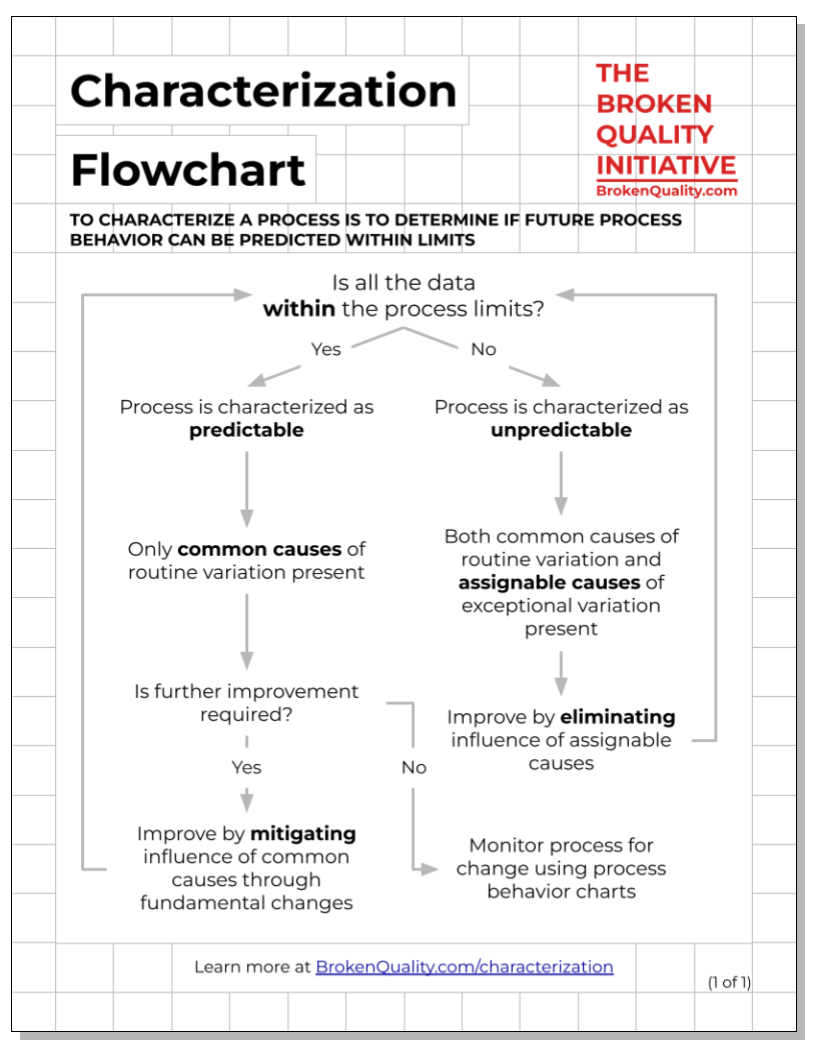
Figure 2. Flowchart of the logic of improvement using process behavior charts
The implicit knowledge of characterization is of particular value to management. Since, at its core, management is prediction, any tools or techniques that help management anticipate the future based on the past are invaluable. Such knowledge allows management to make a plan.
As Dr. W. Edwards Deming notes in The New Economics for Industry, Government, Education, “The simplest plan—how may I go home tonight—requires prediction that my automobile will start and run, or that the bus will come, or the train.” He highlights that prediction plays a central role in everything we do.
The utility of process behavior charts, generally, and their characterization-based interpretation, specifically, lies in their ability to facilitate a plan. When a process is characterized as predictable, we can make a plan that anticipates the future based on the past. When a process is characterized as unpredictable, we must plan to eliminate the influence of assignable causes of exceptional variation. Only after the influence of assignable causes has been eliminated can time and attention be redirected toward further improvements, provided they are economically viable.
Characterization Flowchart
The Characterization Flowchart outlines the logic of process characterization based on the question: Is all the data within the process limits? If it is, a process is characterized as predictable, and action follow the flowchart’s left side. If it is not, a process is characterized as unpredictable, and actions follow the flowchart’s right side.