

 Image 1 of 1
Data has become the currency of our time, yet few know what to do with it. This has led to confusion about what constitutes a signal and what constitutes noise. It has spawned tools and techniques that promise to improve quality and reduce costs, but their promise is never fulfilled. Things do not need to be this way. Deference to inferior methods does not have to be the norm. A solution to this problem is within reach!
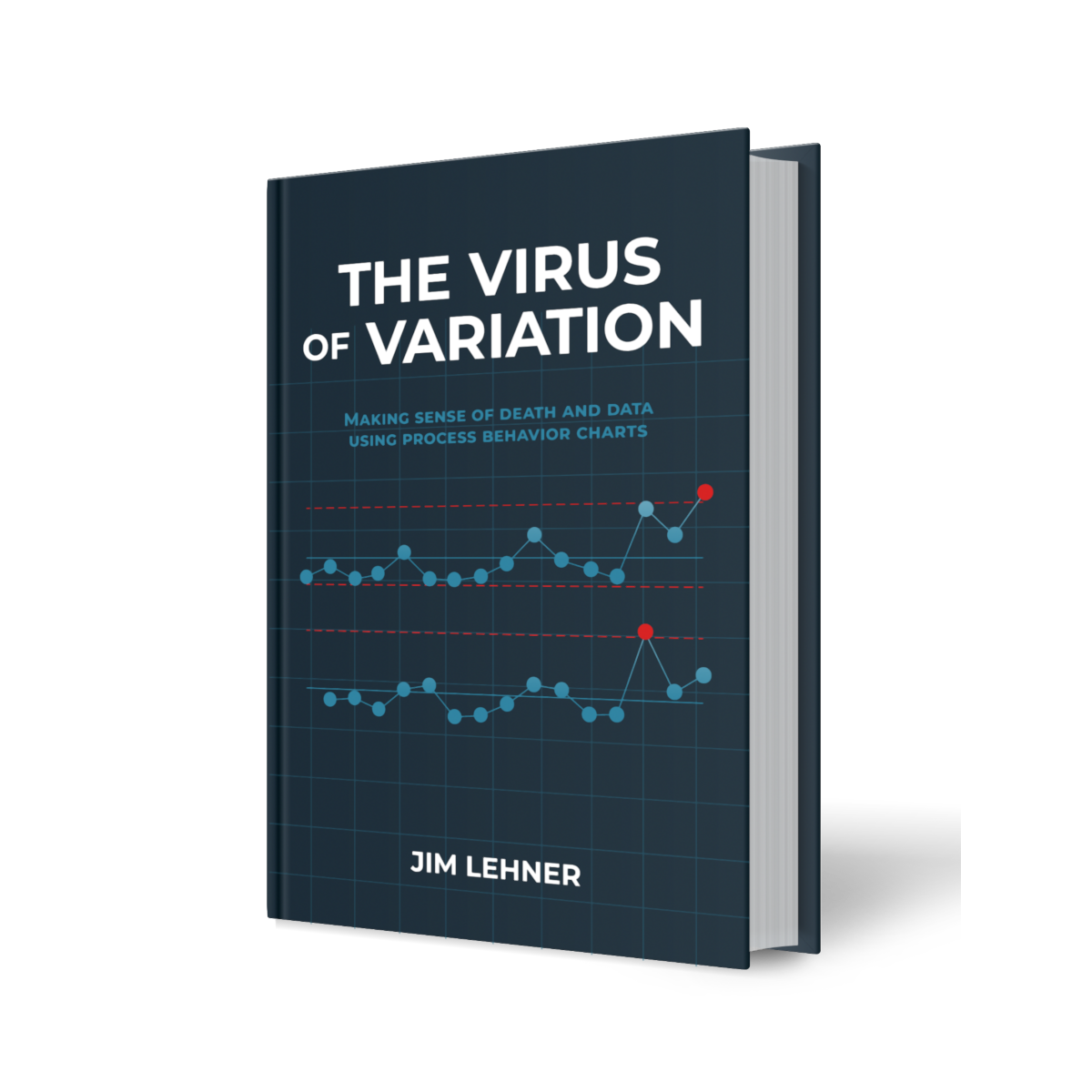
Using the story of the 19th-century Hungarian physician Ignaz Semmelweis as a guide, The Virus of Variation teaches readers how to make sense of data using process behavior charts (control chart). By investigating the death-to-birth rates at Vienna General Hospital, the story of Semmelweis reveals the value of understanding variation and the mechanisms by which business and industry can diagnose and treat it.
Some of the topics covered include:
The importance of context when interpreting data
How to build a process behavior chart (control chart)
How to characterize process behavior
The right (and wrong) way to calculate process limit
The principles of process improvement
Much more!
Stop relying on luck to improve your processes and systems. Start making sense of data by using process behavior charts to understand variation!
Data has become the currency of our time, yet few know what to do with it. This has led to confusion about what constitutes a signal and what constitutes noise. It has spawned tools and techniques that promise to improve quality and reduce costs, but their promise is never fulfilled. Things do not need to be this way. Deference to inferior methods does not have to be the norm. A solution to this problem is within reach!
Using the story of the 19th-century Hungarian physician Ignaz Semmelweis as a guide, The Virus of Variation teaches readers how to make sense of data using process behavior charts (control chart). By investigating the death-to-birth rates at Vienna General Hospital, the story of Semmelweis reveals the value of understanding variation and the mechanisms by which business and industry can diagnose and treat it.
Some of the topics covered include:
The importance of context when interpreting data
How to build a process behavior chart (control chart)
How to characterize process behavior
The right (and wrong) way to calculate process limit
The principles of process improvement
Much more!
Stop relying on luck to improve your processes and systems. Start making sense of data by using process behavior charts to understand variation!